No products in the basket.
Washing, Finishing and Fulling: Why the Final Result Begins Before You Start Knitting
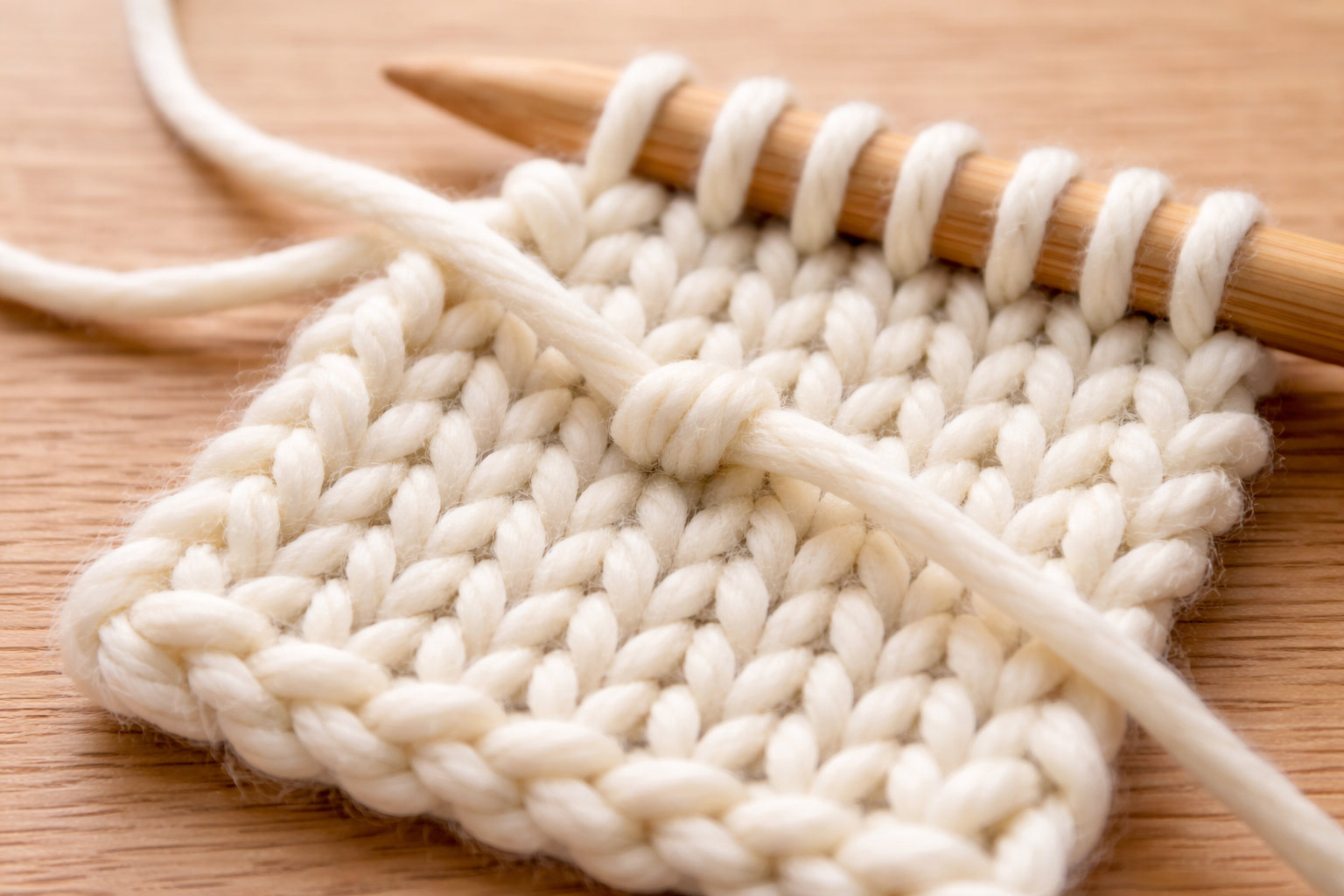
In the world of knitting, there is a crucial moment that is often underestimated, yet absolutely decisive: yarn finishing.
Washing, finishing and fulling are not simply final steps, but an integral part of the creative and technical process. Ignoring them means not truly understanding the material you are working with.
Many disappointments come from the belief that a yarn, once knitted, will look exactly the same as it does on the needles. In reality, what we see before finishing is only an intermediate stage, not the final result.
Natural fibres — wool, cashmere, alpaca and similar fibres — are living materials.
Washing and finishing are essential in order to relax the fibre, release tensions created during spinning and knitting, allow the stitch pattern to “open up”, stabilise the final measurements
Only after finishing does the yarn reveal its true handle, softness and real volume.
Washing, finishing and fulling are not the same thing
These terms are often used interchangeably, but they describe different processes.
Washing: cleans and relaxes the fibre
Finishing: includes washing, movement, temperature control and drying
Fulling: compacts and slightly shrinks the fabric through moisture and movement
Not all yarns full in the same way, and not all yarns should be fulled. Each fibre reacts according to its structure, yarn count and construction.
One of the least known — yet most important — aspects concerns colour.
Even the same yarn, from the same mill, with the same composition, of the same quality, can behave differently when the colour changes.
Dyes affect the behaviour of the fibre: some make it firmer, others more elastic, and others more reactive to fulling. This is a natural and unavoidable characteristic of dyed yarns.
For this reason, there are no universal rules that apply to all yarns and all colours.
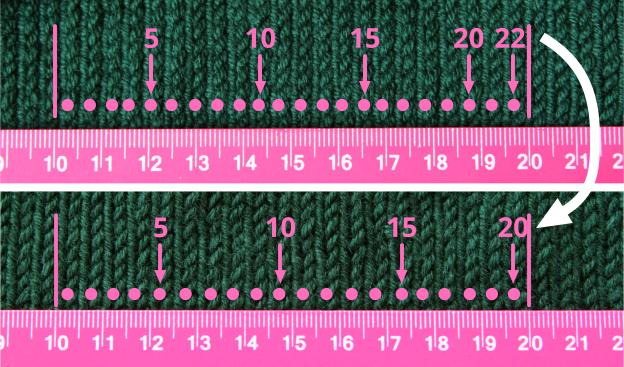 The swatch: the true beginning of every project
In knitting, the swatch is not a formality — it is a fundamental tool.
Making a swatch allows you to:
understand the yarn
see how it reacts to finishing
verify the true measurements
evaluate the final aesthetic result
A swatch must always be finished, using exactly the same method planned for the final garment. Only then can you work with confidence and without surprises.
Knowing the material means respecting the craft
Knitting is made of time, attention and care.
Understanding how a yarn behaves means respecting your work and enhancing its value.
Finishing does not change the project — it completes it.
And making a swatch does not slow the process — it makes it reliable.
Those who truly understand these steps do not look for shortcuts, but for lasting results.
Follow Us on Youtube

Latest products
-
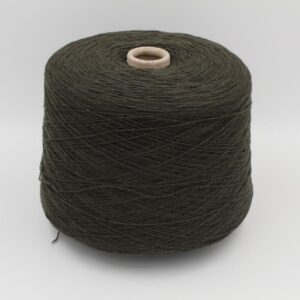
 ALTER-ECO yarn 97% cashmere 3% wool merino nm 2/12 color dark green cones 600 gr Original price was: € 102,48.€ 73,20Current price is: € 73,20.
Previous lowest price was € 61,00.
-
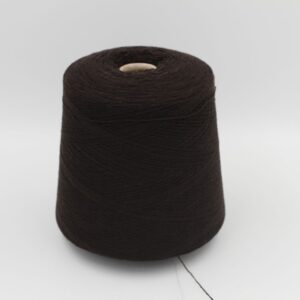 Yarn 2/27 100% Cashmere color brown cones 400 gr Original price was: € 68,32.€ 58,56Current price is: € 58,56.
Previous lowest price was € 58,56.
-
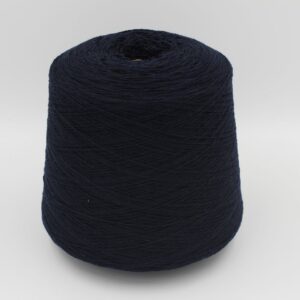 100% Cashmere yarn nm 2/14 color blue cones 520 gr Original price was: € 82,47.€ 63,44Current price is: € 63,44.
Previous lowest price was € 63,44.
-
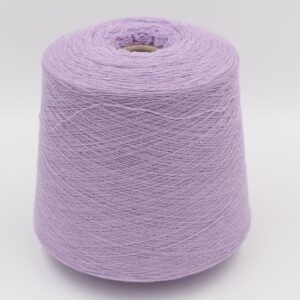 Nm. 2/28 70% merino extrafine 30% cashmere color lilac cone 520 gr Original price was: € 63,44.€ 31,72Current price is: € 31,72.
Previous lowest price was € 31,72.
-
 Yarn 2/27 100% Cashmere color anthracite cones 510 gr Original price was: € 87,11.€ 74,66Current price is: € 74,66.
Previous lowest price was € 74,66.