No products in the basket.
Why you pay too much for some yarns (and too little for others)

There’s a question that constantly comes back in the world of yarns.
A question people ask quietly, almost suspiciously, while looking at a cone of cashmere, merino wool, or alpaca.
“Why is this one so expensive?”
And immediately after comes the second question.
“How is it possible that this one costs so little?”
The truth is that the price of a yarn tells a much bigger story than most people imagine.
It tells the story of the raw material.
It tells the story of the process.
It tells the story of time.
It tells the story of the mistakes someone decided not to make.
But it also tells the opposite story.
Because there are yarns that cost an enormous amount without truly being worth it. And there are others that cost surprisingly little… despite having incredible quality.
And this is where most people get it wrong.
Because the problem is not the price.
The problem is not understanding what’s behind it.
The great misunderstanding: “the more expensive, the better”
For years we’ve been taught something very simple:
👉 high price = high quality
But in textiles, it doesn’t always work that way.
Or at least, not necessarily.
There are extraordinary yarns that cost less than they should. And there are mediocre yarns sold as luxury products simply because they carry a famous name behind them.
Marketing can raise the price.
Quality, on the other hand, has to support it.
And those are two very different things.
The raw material: where everything truly begins
Everything starts with the fiber.
A cashmere made with long, fine, carefully selected fibers will inevitably cost more than one made with short, irregular, or mixed fibers.
And that’s perfectly normal.
Because obtaining high-quality raw material means:
- selecting more carefully
- discarding more material
- producing smaller quantities
True quality is almost never the most profitable choice from an industrial perspective.
It requires more time.
More attention.
More controlled waste.
And this is what many people never see.
The invisible cost of processing
Then comes the processing.
And this is where the price can change dramatically.
A yarn can be:
- spun slowly or quickly
- carefully controlled or barely checked
- properly stabilized or poorly finished
- processed with correct tensions or aggressive ones
None of these things are immediately visible.
But you will feel them later.
After washing.
After knitting by hand or machine.
After months of use.
That’s when the yarn reveals what it really is.
Why some yarns cost “too much”
Now we enter delicate territory.
Because some yarns are expensive not because of their quality… but because of everything surrounding them.
Packaging.
Marketing.
Distribution.
Branding.
Positioning.
And to be clear: there’s nothing wrong with that.
Perceived value is also part of the product.
But honesty matters.
Sometimes you are paying for:
- the brand
- the advertising
- the boutique
- the story built around the product
Not necessarily for the yarn itself.
And that’s why two apparently similar yarns can have completely different prices.
And then there’s the opposite case
The opposite situation is even more interesting.
There are incredible yarns that cost far less than they should.
It often happens with:
- warehouse stock
- discontinued collections
- overproduced runs
- spinning mills clearing space
- companies changing collections
And this is where the market becomes fascinating.
Because you can end up holding yarns produced by some of the best Italian spinning mills… at a fraction of their original value.
Not because they are worth less.
But because sometimes the market simply needs to move quickly.
Recycled cashmere and the prejudice of price
Then there’s another huge mistake.
Thinking that a cheaper yarn is automatically inferior.
Take recycled cashmere, for example.
Many people see it as a “lower-quality” product simply because it often costs less than virgin cashmere.
But reality is much more complex.
A well-made recycled cashmere can be:
- sustainable
- stable
- beautiful to work with
- incredibly authentic
It simply comes from a different process.
And most importantly, it often removes a huge portion of the costs connected to new raw material.
The problem is not that a yarn costs less.
The real question is why it costs less.
The highest price often comes later
And this is where the most interesting thing of all happens.
Many people try to save money by buying the cheapest yarn possible.
But then they pay the price later.
In wasted time.
In failed projects.
In pilling.
In instability.
In garments that don’t last.
A poor-quality yarn may seem cheap at first… but over time it can become incredibly expensive.
A well-made yarn often does the opposite.
It costs more in the beginning.
But it lasts.
The truth that changes everything
Once you truly begin to understand yarns, you stop looking only at the price.
You start looking at:
- the structure
- the fiber
- the hand feel
- the stability
- the origin
- the way it behaves over time
Because real value is not what you pay at checkout.
It’s what remains afterward.
Paying more does not always mean buying quality.
Paying less does not always mean finding a bargain.
The difference lies in understanding what you are really buying.
Because behind every yarn there is a story made of:
- raw materials
- processing
- experience
- choices
And once you learn how to read that story, something inevitable happens.
You stop buying just yarn.
You start buying awareness.
📩 Want to truly understand the real value of yarns?
Subscribe to the newsletter to receive real insights about yarns, cashmere, and knitwear.
No useless marketing.
No empty theory.
Just real experience.
Follow Us on Youtube

Latest products
-
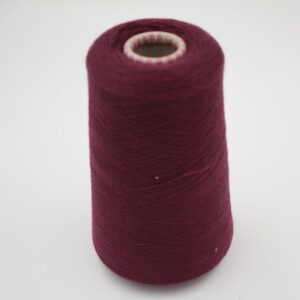
 PRESTIGE 100% Merino Extrafine nm 2/60 color bordeaux cones 540gr Original price was: €39,53.€26,35Current price is: €26,35.
Previous lowest price was €79,06.
-
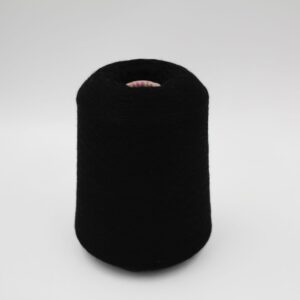 PRESTIGE 100% Merino Extrafine nm 2/60 color black cones 740gr Original price was: €54,17.€36,11Current price is: €36,11.
Previous lowest price was €108,34.
-
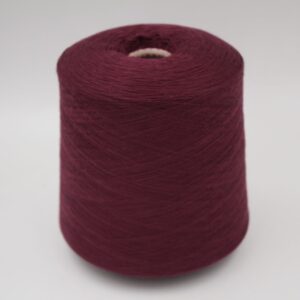 PRESTIGE 100% Merino Extrafine nm 2/60 color bordeaux cones 480gr Original price was: €35,14.€23,42Current price is: €23,42.
Previous lowest price was €70,27.
-
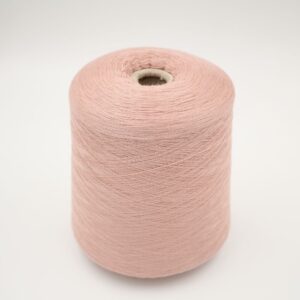 PRESTIGE 100% Merino Extrafine nm 2/60 color pink cones 580gr Original price was: €42,46.€28,30Current price is: €28,30.
Previous lowest price was €84,91.
-
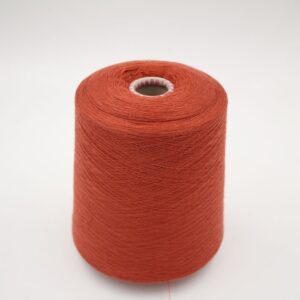 PRESTIGE 100% Merino Extrafine nm 2/60 color orange cones 770gr Original price was: €56,36.€37,58Current price is: €37,58.
Previous lowest price was €112,73.