No products in the basket.
Why Two Yarns with the Same Nm Can Look Different
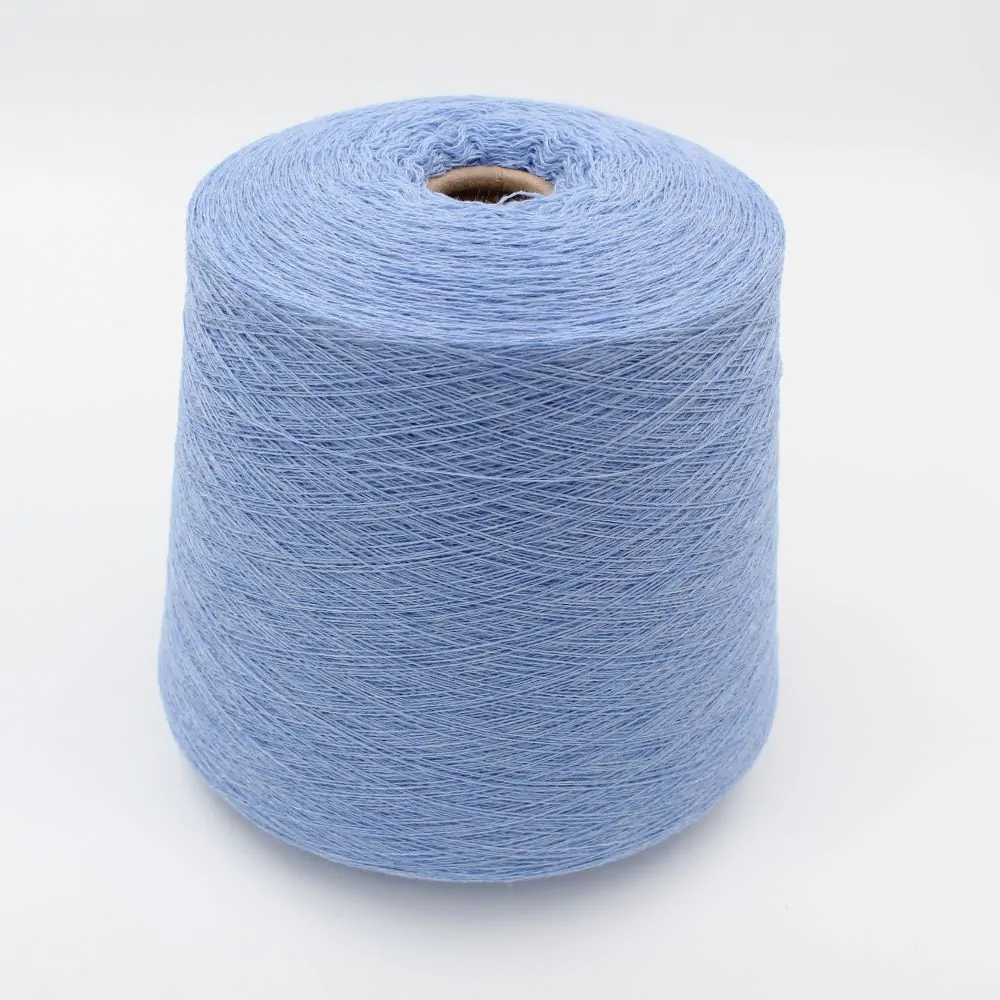
It often happens to hear this question:
“How is it possible? They have the same Nm, yet they look like completely different yarns!”
It’s a perfectly reasonable doubt.
The Nm indicates the theoretical thickness, but it doesn’t tell the whole story of a yarn.
Let’s see why.
Nm Measures Weight, Not Appearance
The Nm yarn count only tells us one thing:
👉 how many meters of yarn weigh one gram
It does not describe:
softness
volume
compactness
hand feel
visual appearance
As a result, two yarns can have the same length and the same weight, yet behave and look very different.
1️⃣ Type of Fiber
The fiber used makes a huge difference.
With the same Nm:
cashmere looks fuller and softer
worsted wool appears more compact
cotton feels stiffer
recycled yarns may look bulkier
👉 Different fibers = different perception.
2️⃣ Carded vs. Combed Yarn
Carded yarn:
more air inside
puffier appearance
softer hand
Combed (worsted) yarn:
aligned fibers
smoother surface
more compact structure
👉 Same Nm, completely different volume.
3️⃣ Yarn Twist
Twist plays a major role.
low twist → softer, rounder, bulkier yarn
high twist → firmer, drier, more compact yarn
A highly twisted yarn can look thinner, even though its Nm is exactly the same.
4️⃣ Number of Plies (Ply Structure)
A Nm 2/28 and a Nm 1/14 may have a similar overall count, but:
plied yarns are more even
they hold structure better
they behave differently when knitted
How strands are combined directly affects the final yarn structure.
5️⃣ Finishing and Treatments
Washing, fulling, and finishing processes change:
volume
hand feel
elasticity
A finished yarn will look fuller and softer than an untreated one, even if the Nm is identical.
Imagine two jackets:
same weight
same declared insulation level
One is filled with goose down, the other with synthetic fiber.
👉 On paper, they look the same.
👉 In reality, they are not.
Yarns behave in exactly the same way.
Nm is essential, but it’s not enough on its own to truly understand a yarn.
To properly evaluate yarn thickness and performance, you must also consider:
fiber type
spinning process
twist
structure
finishing
That’s why touching the yarn, testing it, and knowing its origin remain irreplaceable—even today.
Follow Us on Youtube

Latest products
-
 Yarn 2/28 100% Cashmere color lubecca cones 520 gr Original price was: € 88,82.€ 76,13Current price is: € 76,13.
Previous lowest price was € 76,13.
-
 Yarn 2/28 100% Cashmere color kensington cones 500 gr Original price was: € 85,40.€ 73,20Current price is: € 73,20.
Previous lowest price was € 73,20.
-
 Yarn 2/28 100% Cashmere color iron cones 520 gr Original price was: € 88,82.€ 76,13Current price is: € 76,13.
Previous lowest price was € 76,13.
-
 Yarn 2/28 100% Cashmere color light grey cones 610 gr Original price was: € 103,70.€ 89,30Current price is: € 89,30.
Previous lowest price was € 89,30.
- Yarn 2/28 100% Cashmere color light grey cones 610 gr Original price was: € 103,70.€ 89,30Current price is: € 89,30.
Previous lowest price was € 68,81.