No products in the basket.
How Yarn Thickness Is Determined: A Complete Guide to Nm (Metric Count)
In the world of yarns, one of the most common questions is:
“How thick is this yarn?”
The answer, however, is not as simple as it seems. Unlike many materials, yarn thickness is not measured in millimeters, but through a technical system called yarn count, and one of the most widely used systems is Nm (Metric Count).
In this article, you’ll learn:
- what Nm means
- how yarn thickness is determined
- why two yarns with the same Nm can look completely different
What is Nm (Metric Count)
Nm (Metric Count) indicates how many meters of yarn there are in 1 gram of weight.
👉 Basic formula:
Nm = meters / grams
Examples:
- Nm 1 = 1 meter weighs 1 gram → very thick yarn
- Nm 10 = 10 meters weigh 1 gram → finer yarn
- Nm 28 = 28 meters weigh 1 gram → very fine yarn
Key rule:
👉 The higher the Nm = the finer the yarn
👉 The lower the Nm = the thicker the yarn
The actual thickness of a yarn depends on 3 main factors:
Yarn count (Nm) This is the technical base. It tells you how fine a single strand is.
Number of plies (folded yarns)
You often see yarns written like:
- 2/28
- 2/13
- 3/15
What does it mean?
👉 First number = number of plies
👉 Second number = count of each single yarn
Examples:
- 2/28 = 2 strands of Nm 28 twisted together
- 2/13 = 2 strands of Nm 13 → much thicker
📌 More plies = fuller and thicker yarn
Processing and knitting structure
Even with the same yarn:
- loose knitting = softer, bulkier result
- tight knitting = more compact, thinner feel
- rib, jersey, or English rib = completely different volume
👉 So: perceived thickness ≠ Nm alone
Why Two Yarns with the Same Nm Can Be Different
This is where most confusion comes from.
Two yarns both labeled Nm 2/28 can appear:
- fuller or flatter
- softer or firmer
- bulkier or more compact
It depends on:
- fiber type (cashmere vs merino vs cotton)
- fiber length
- twist level
- finishing processes (washing, fulling, brushing)
👉 Real example:
A recycled cashmere Nm 2/28 can feel bulkier than a virgin cashmere yarn with the same count.
Nm and Practical Use (Needles & Machines)
Here’s a practical guide based on real production experience:
- Nm 2/28
- knitting machine: gauge 12 (single end)
- hand knitting: 2 ends → needles 3–4
- Nm 2/13
- knitting machine: gauge 7–8
- hand knitting: needles 4–5
- Nm 1/3 – 1/5
- very thick yarns
- hand knitting: needles 6–10
👉 Keep in mind: these are guidelines, not strict rules.
Common Mistake: Thinking Nm = Actual Thickness
One of the most common mistakes is assuming Nm defines the exact thickness.
❌ Wrong
✔️ Nm defines the theoretical fineness of the yarn, not the final result
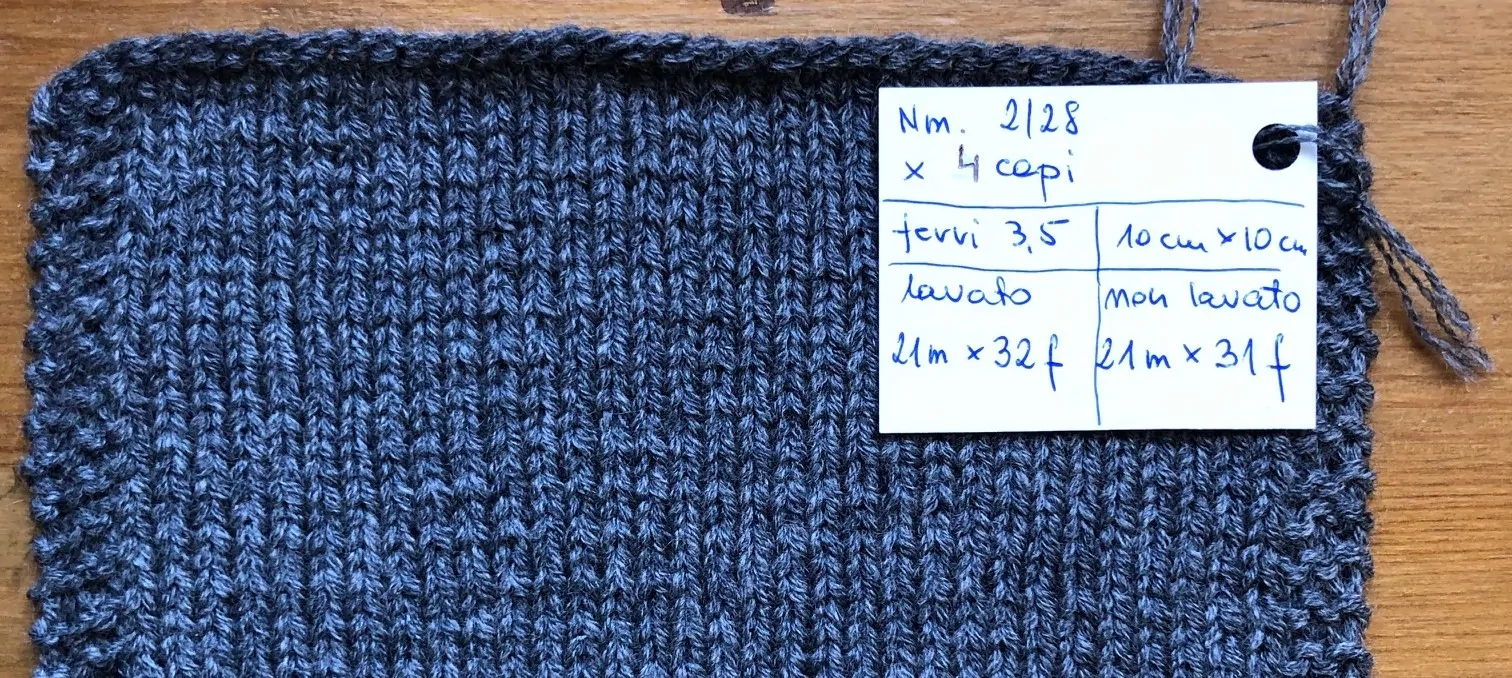
👉 The real thickness can only be evaluated by:
- knitting a swatch
- washing it
- observing how the fiber behaves
Professional Advice
If you knit or produce knitwear:
👉 Never rely on Nm alone
Always:
- knit a sample
- wash it
- evaluate the final result
This is even more important with:
- recycled cashmere
- natural untreated yarns
- stock yarns
Nm is a fundamental tool to understand yarns, but it is not enough on its own.
To truly choose the right yarn, you must consider:
- yarn count (Nm)
- number of plies
- fiber type
- processing and finishing
👉 Only then can you accurately predict the final result.
Follow Us on Youtube

Latest products
-
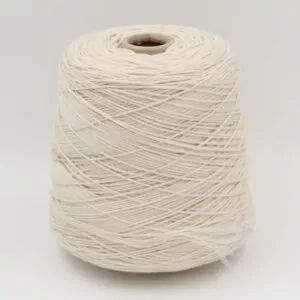
 Yarn 100% Wool nm 9X2/26 color white cones 530gr Original price was: € 38,80.€ 25,86Current price is: € 25,86.
Previous lowest price was € 25,86.
-
 Yarn 60% Cashmere 40% Polyamide nm 2/28 color white cones 450gr Original price was: € 65,88.€ 43,92Current price is: € 43,92.
Previous lowest price was € 39,04.
-
 Yarn 20% Wool 40% Cashmere 50% Polyamide nm 4/15 color black muliné cones 450gr Original price was: € 26,79.€ 16,08Current price is: € 16,08.
Previous lowest price was € 16,47.
-
 Yarn 2/27 100% Cashmere color night blue cones 510gr Original price was: € 87,11.€ 74,66Current price is: € 74,66.
Previous lowest price was € 73,20.
-
 Yarn 90% Merino 10% Cashmere nm 2500 color natural white cones 450gr Original price was: € 35,69.€ 19,22Current price is: € 19,22.
Previous lowest price was € 19,22.