No products in the basket.

Courier pickups and deliveries: how they really work (and what to do if your package arrives damaged)
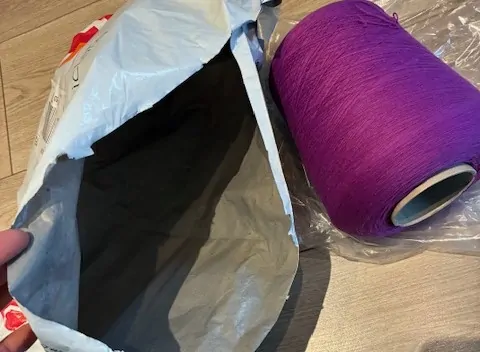
When ordering online (or shipping), the “courier moment” is often the most anxiety-inducing: when will they arrive? Will they find me? Can I change the address? What if the package arrives damaged?
In this article, we’ll explain in simple terms how pickups and deliveries work, what you can do when you receive the “your package has been shipped” email, and, above all, what to do if the package arrives damaged (this is crucial).
1) How does courier pickup work (from the seller)?
Once an order is prepared, the company prints the label and schedules the pickup. From then on, the shipment typically follows these steps:
Pickup: the courier picks up the packages during the scheduled time slot (there is often no specific time).
Sorting hub: packages are taken to a logistics center and “scanned”.
Line: transfer to the destination area (even at night).
Local branch: arrival at the warehouse in your province/area.
On Delivery: The package is loaded onto the van and marked “out for delivery.”
👉 Important: Sometimes the label is created before pickup. If you see “shipment created” but not “accepted,” it simply means the courier hasn’t physically scanned the package yet.
2) How delivery works: attempts, absence, and storage
Almost all couriers follow similar rules:
Delivery to the recipient or to a person present at the indicated address (sometimes even the doorman/reception, depending on the service).
If they don’t find anyone, they usually make one attempt and then try again the next business day, or they place the package on storage at a branch/collection point for a few days.
📌 Practical tip: If you live in a “difficult” location (gate, interior, stairs, unclear intercom), always include the following in the notes or shipping profile:
Name on the intercom
Interior/staircase
Correct phone number
Any applicable time slots
3) When you receive the courier’s “your package has been shipped” email: what you can do immediately
That email is very useful. It usually contains tracking information and a direct link to the shipment. Here’s what you should do immediately:
✅ A) Check your delivery information
Open your tracking and verify:
Full address
Name on the intercom
Phone number
Any notes
If you notice an error, act immediately (when possible) via:
“Change delivery / Delivery options” function
Chat or courier support
Choose a “pickup point” (parcel shop / locker)
✅ B) Choose a more convenient delivery option
Many couriers allow you to:
Reschedule the day
Change address (not always)
Deliver to a pick-up point/locker
Authorize delivery to a neighbor/doorman (if applicable)
Note: Some options depend on the type of service purchased by the sender and the area.
✅ C) Keep an eye on the “key” statuses
The most important updates to monitor are:
“Collected”
“Arrived at branch”
“Out for delivery”
“Attempted delivery”
“In storage” (you need to act quickly to avoid the risk of a return to sender)
4) Delivery successful, but the package is… in bad condition: what to do
Here we come to the most important point.
🚨 IF THE PACKAGE ARRIVES DAMAGED: WHAT TO DO (STEP-BY-STEP)
When a package arrives dented, punctured, wet, or visibly crushed, it’s not enough to “just accept it.” To protect yourself (and allow for any refund/assistance), follow these rules:
1) First of all: inspect the package in front of the courier.
Quickly check:
Crushed corners
Cut or puncture marks
Tampered tape
Wet packaging
Strange noises (broken objects moving)
2) If there is a problem: accept ONLY with “RESERVATIONS”
Ask the courier to register the delivery with the following wording:
“ACCEPTED WITH RESERVATIONS due to damaged package/punctured packaging/crushed package”
📌 Very important:
A generic “Reservations” is better than nothing, but it’s much better to specify the reason (e.g., “crushed corner,” “cut on right side,” “wet”).
If the courier doesn’t want to wait, insist: it’s your right to report the condition of the package upon delivery.
3) Take photos IMMEDIATELY (before opening)
Take clear photos:
of the package from multiple angles
of the label with visible tracking
of the damaged area in the foreground
4) Open the package and also take photos of the inside
If you find damage to the product:
photo of the damage
photo of how it was positioned
photo of any internal protection (bubble wrap, paper, etc.)
5) Keep EVERYTHING
Do not throw away:
box
label
filling material
Often, to open a damage claim, the courier requires proof of the packaging.
6) Notify the seller/customer support immediately
Report within a few hours (or as soon as possible) with:
order number
tracking
description of the problem
attached photos
👉 The quicker and more precise you are, the easier it will be to resolve the issue.
7) When NOT to accept the package
If the package is seriously damaged (open, contents visible, soaking wet, visibly crushed), you can refuse delivery.
In that case

Follow Us on Youtube

Latest products
-
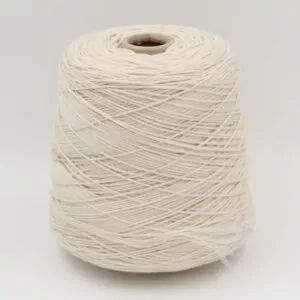
 Yarn 100% Wool nm 9X2/26 color white cones 530gr Original price was: € 38,80.€ 25,86Current price is: € 25,86.
Previous lowest price was € 25,86.
-
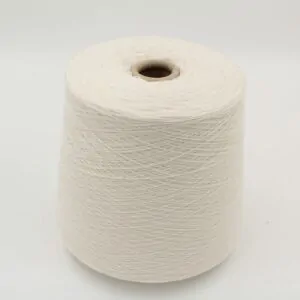 Yarn 60% Cashmere 40% Polyamide nm 2/28 color white cones 450gr Original price was: € 65,88.€ 43,92Current price is: € 43,92.
Previous lowest price was € 39,04.
-
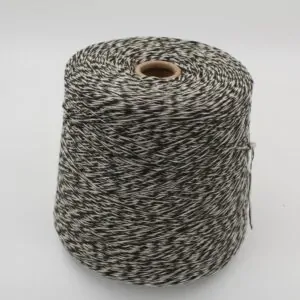 Yarn 20% Wool 40% Cashmere 50% Polyamide nm 4/15 color black muliné cones 450gr Original price was: € 26,79.€ 16,08Current price is: € 16,08.
Previous lowest price was € 16,47.
-
 Yarn 2/27 100% Cashmere color night blue cones 510gr Original price was: € 87,11.€ 74,66Current price is: € 74,66.
Previous lowest price was € 73,20.
-
 Yarn 90% Merino 10% Cashmere nm 2500 color natural white cones 450gr Original price was: € 35,69.€ 19,22Current price is: € 19,22.
Previous lowest price was € 19,22.