No products in the basket.
Complaining About the Wrong Things (and Why Knots in Yarn Are Not a Defect)
We live in a time when people complain a lot.
Sometimes with good reason, other times without really knowing what they are buying or using.
In the world of yarns — especially natural, artisanal, or high-quality industrial yarns — this happens more often than you might think.
A real example?
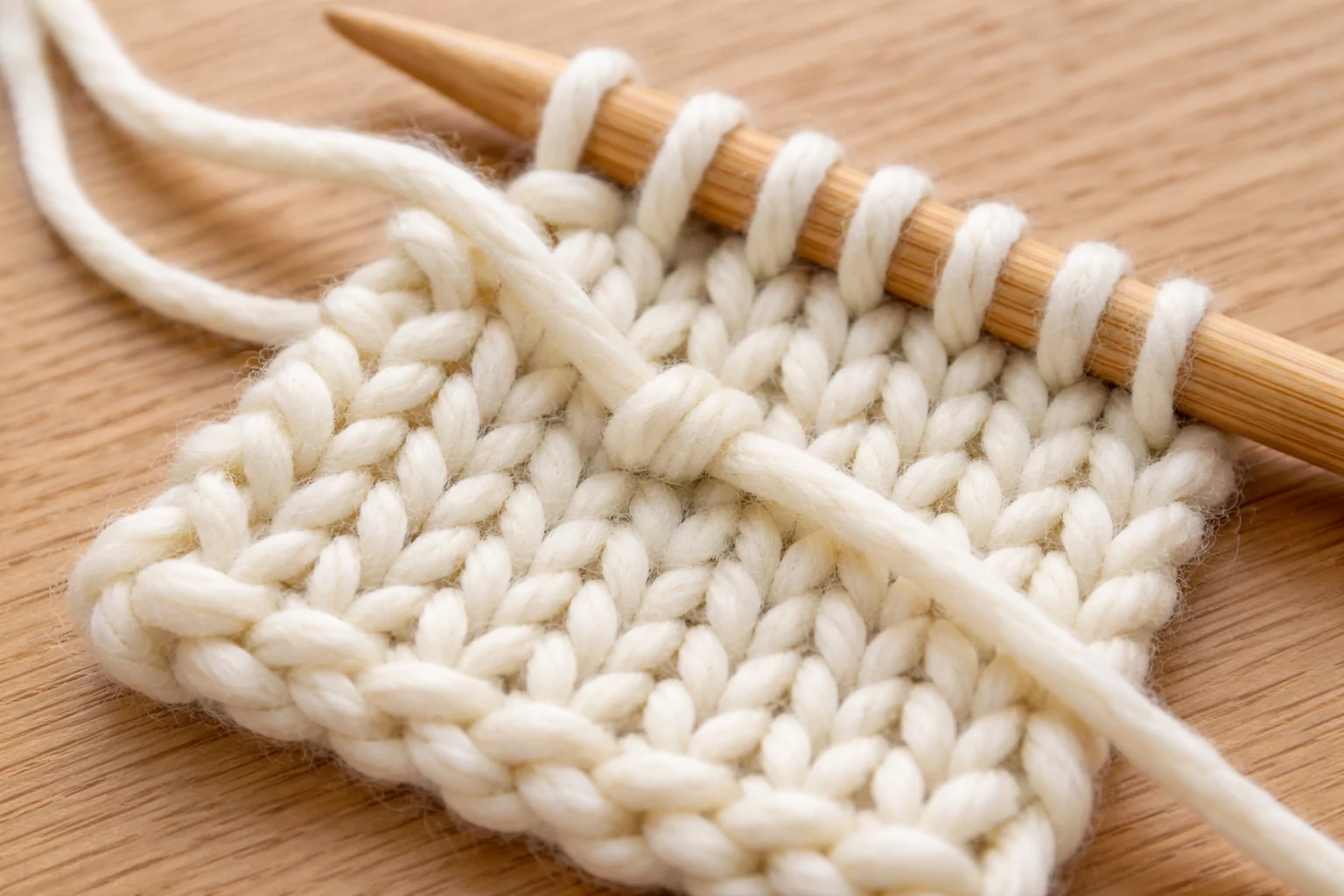
A customer complained because, in a very thick yarn cone (Nm 2,500) for hand knitting, she found a few knots.
Let’s explain clearly why this is not a defect, why it is normal, and above all how to properly deal with knots when knitting with needles.
Knots in yarn: let’s start from reality
A yarn is not a synthetic, molded product.
It is made from:
natural fibers
mechanical processing
industrial and artisanal steps
inevitable interruptions during spinning
Knots are not added randomly and are not a sign of poor quality.
They are the natural result of a real production process.
Even the best Italian spinning mills in the world have knots. Always.
What a splicer is (and why it can’t always be used)
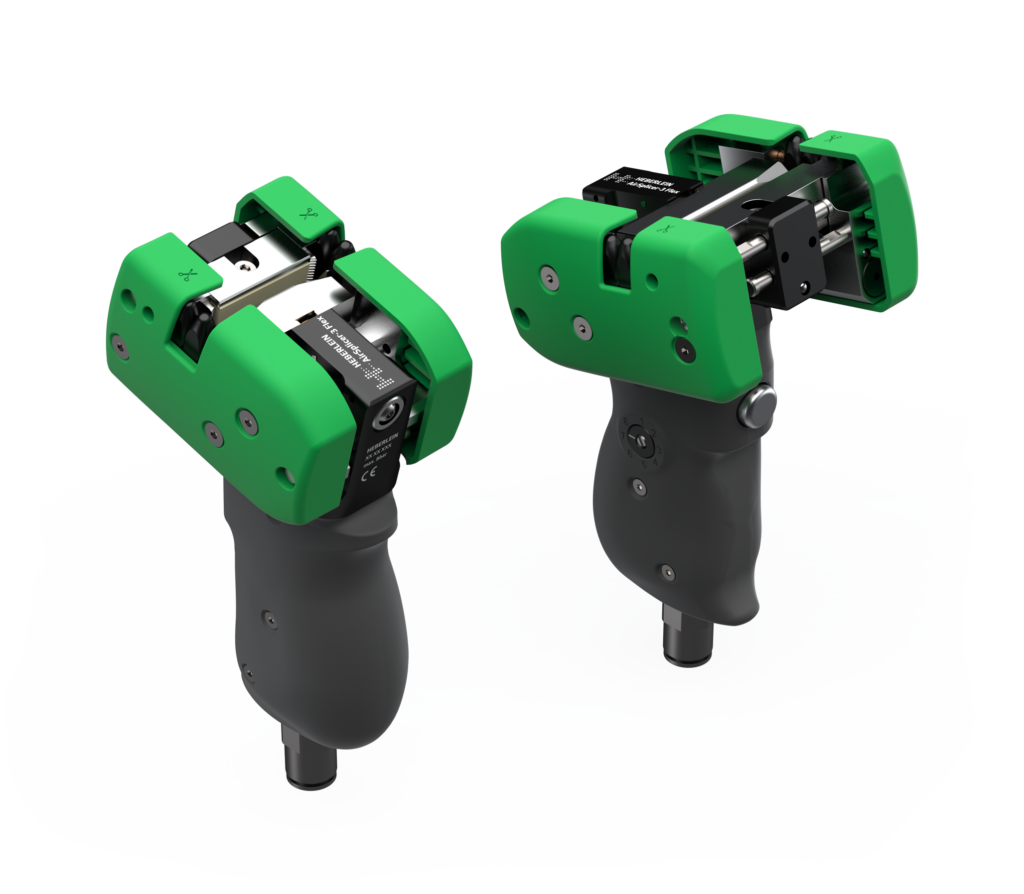
A splicer is a machine that joins two yarn ends without a knot, using air or water to interlace the fibers together.
The result is a join that is:
cleaner
more regular
almost invisible
But there is a problem (a physical one, not a commercial one)
With very thick yarns, such as:
Nm 2,500
yarns for large needles
chunky or super-bulky yarns
👉 a splicer simply does not work.
The reason is simple:
the fibers are too bulky
the twist structure is different
a stable splice cannot be guaranteed
In these cases, the only technically reliable solution is a knot.
“Then I’ll buy the yarn directly from the spinning mill”
In theory, it sounds great.
In practice:
❌ spinning mills usually sell only to VAT-registered businesses
❌ they require large minimum orders
❌ the retail price would be more than double
❌ you would still find knots
Yes, even yarn bought directly from the manufacturer has knots.
Why?
Because continuous yarn exists only in theory, not in real production.
The knot is not the problem. How you handle it is.
Anyone who knits knows this:
a knot does not ruin a garment, if you know how to deal with it.
How to properly manage a knot while knitting
Here are the practical rules 👇
1. Never knit the knot as it is
The knot should never be worked into a stitch.
2. Untie the knot
As soon as you reach it:
stop
gently untie it
3. Use the overlap technique
overlap the two yarn ends for 6–8 cm
knit normally, working with both strands together
after a few rows, trim the excess
Alternatively:
you can use invisible joining techniques
or light felting (only with animal fibers)
4. Place the join intelligently
along the edge of the work
near a seam
never in the center of a visible stitch pattern
A yarn without knots does not exist (if it is real)
If a yarn:
is natural
is thick
is not glued or artificially stabilized
is not plastic
👉 it will have knots, sooner or later.
And this is not a defect, but proof that:
it has not been “artificially perfected”
it is not a fake industrial product
it is real
Complaining is easy.
Understanding what you are holding in your hands takes a bit of knowledge.
A knot in a thick yarn:
❌ is not a defect
❌ is not a scam
❌ does not indicate poor quality
✔️ it is normal
✔️ it is technical
✔️ it is manageable
Those who knit do not look for fake perfection, but for the truth of the material.
And the truth, sometimes, comes with a knot.
Follow Us on Youtube

Latest products
-
 Yarn 2/28 100% Cashmere color lubecca cones 520 gr Original price was: € 88,82.€ 76,13Current price is: € 76,13.
Previous lowest price was € 76,13.
-
 Yarn 2/28 100% Cashmere color kensington cones 500 gr Original price was: € 85,40.€ 73,20Current price is: € 73,20.
Previous lowest price was € 73,20.
-
 Yarn 2/28 100% Cashmere color iron cones 520 gr Original price was: € 88,82.€ 76,13Current price is: € 76,13.
Previous lowest price was € 76,13.
-
 Yarn 2/28 100% Cashmere color light grey cones 610 gr Original price was: € 103,70.€ 89,30Current price is: € 89,30.
Previous lowest price was € 89,30.
- Yarn 2/28 100% Cashmere color light grey cones 610 gr Original price was: € 103,70.€ 89,30Current price is: € 89,30.
Previous lowest price was € 68,81.