No products in the basket.
Cashmere Doesn’t Itch: Why It Feels Soft (and When It Can Feel Prickly)
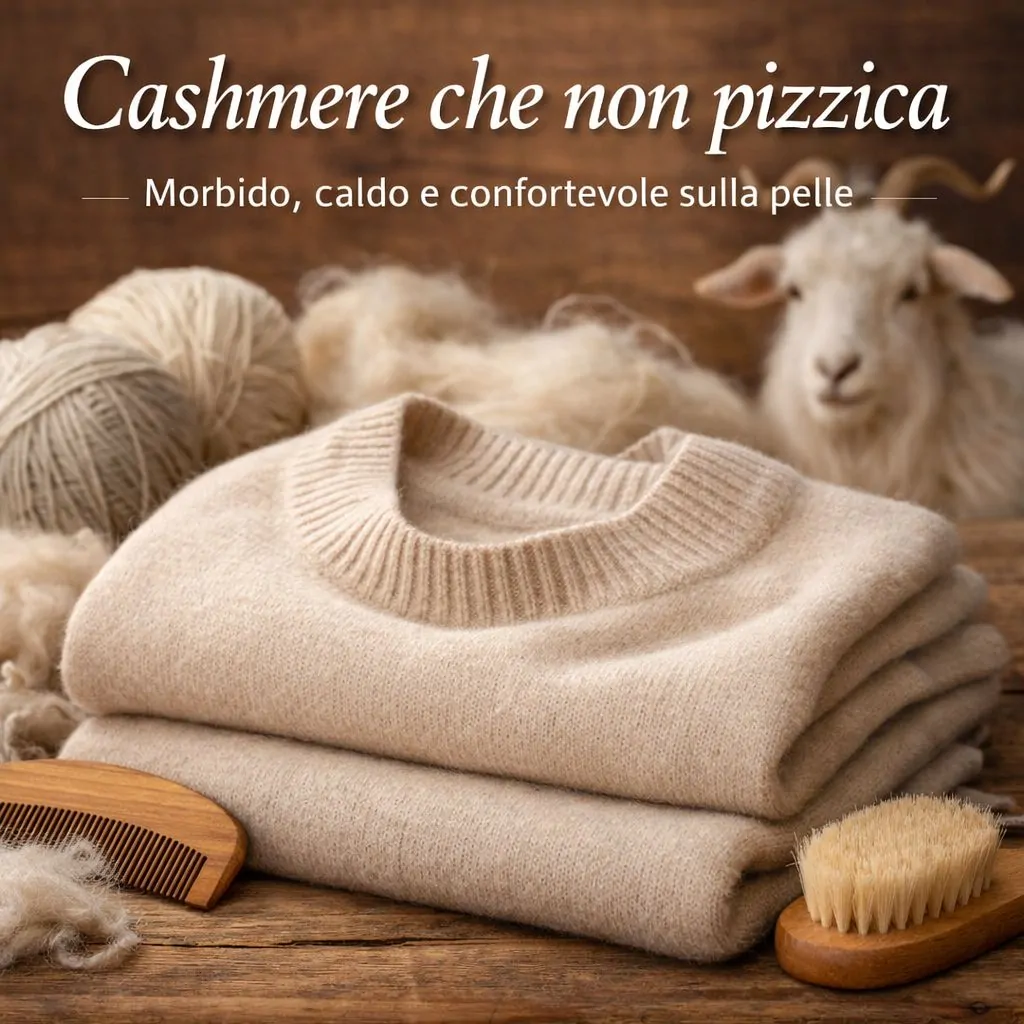
High-quality cashmere is famous for one thing above all: comfort. It’s warm yet lightweight, incredibly soft, and—most importantly—it doesn’t itch. Still, many people ask the same question every winter: “Why does this cashmere feel itchy on my skin?” The answer is straightforward: true, well-made cashmere is naturally gentle. When it feels prickly, there’s usually a clear reason related to fiber quality, yarn structure, finishing, or blending.
Let’s break down why cashmere doesn’t itch, what can cause irritation, and how to choose a piece that feels genuinely soft.
1) The key is fiber diameter (microns)
That “itchy” sensation typically happens when fibers are too thick or uneven. Coarser fibers press against the skin and trigger sensitivity, especially in areas like the neck and wrists.
Good cashmere comes from very fine fibers, often measured in microns. The finer and more consistent the fiber, the smoother it feels and the less likely it is to irritate.
In simple terms:
fewer microns = less itch = more comfort.
2) Fiber length and uniformity matter
Diameter isn’t the only factor. Fiber length and consistency play a major role too. Longer, more uniform fibers spin into a cleaner, more stable yarn with fewer ends sticking out.
When a yarn contains many short or broken fibers, more “hairy” bits stand up on the surface. Those irregular fibers can create friction and cause that prickly feeling—especially on sensitive skin.
3) “Itchy cashmere” is often about blends (or lower-grade blends)
Not everything labeled cashmere is pure cashmere. Many garments are blended (cashmere + wool, cashmere + polyamide, cashmere + other fibers). Blends are not automatically bad, but they change how the fabric feels.
If the blend includes a coarser wool or thicker fibers, the overall hand can become less soft and more irritating. In that case, the itch isn’t really caused by cashmere—it’s caused by the other fiber(s).
Tip: always check the composition label, and if possible, ask about yarn quality and processing.
4) Spinning and finishing: softness is built through the process
Softness doesn’t depend only on raw fiber. It also comes from spinning, twisting, washing, and finishing.
Proper spinning reduces irregularities.
Balanced twist keeps the yarn smooth and stable.
Professional washing and finishing (steam, gentle mechanical finishing, technical softening treatments) improve the surface and enhance the feel.
Poor finishing can leave cashmere feeling drier or rougher, even if the fiber itself is decent.
5) When can cashmere feel itchy?
It can happen, usually for these reasons:
coarser or less selected fiber
lots of short fibers in the yarn
blends with rougher fibers
brand-new garment not yet “settled” (a proper gentle wash can improve it)
very sensitive or dry skin, especially in winter
6) How to spot non-itchy cashmere before buying
A few practical checks:
Test it on the neck or inner wrist—the most sensitive zones.
Look at the surface: a more even, clean appearance often means better yarn quality.
Be cautious with extremely low prices—fiber selection and finishing cost money.
Choose producers with transparent sourcing and solid craftsmanship.
Cashmere doesn’t itch because high-quality cashmere is made from naturally fine, soft fibers. When it does feel prickly, it’s usually due to lower fiber quality, rougher blends, or insufficient finishing. The right cashmere should deliver what it’s known for: warmth, lightness, and pure comfort.
Follow Us on Youtube

Latest products
-
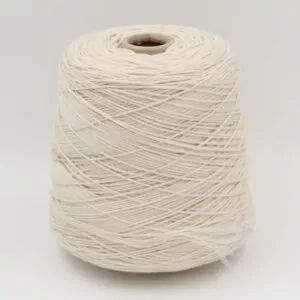
 Yarn 100% Wool nm 9X2/26 color white cones 530gr Original price was: € 38,80.€ 25,86Current price is: € 25,86.
Previous lowest price was € 25,86.
-
 Yarn 60% Cashmere 40% Polyamide nm 2/28 color white cones 450gr Original price was: € 65,88.€ 43,92Current price is: € 43,92.
Previous lowest price was € 39,04.
-
 Yarn 20% Wool 40% Cashmere 50% Polyamide nm 4/15 color black muliné cones 450gr Original price was: € 26,79.€ 16,08Current price is: € 16,08.
Previous lowest price was € 16,47.
-
 Yarn 2/27 100% Cashmere color night blue cones 510gr Original price was: € 87,11.€ 74,66Current price is: € 74,66.
Previous lowest price was € 73,20.
-
 Yarn 90% Merino 10% Cashmere nm 2500 color natural white cones 450gr Original price was: € 35,69.€ 19,22Current price is: € 19,22.
Previous lowest price was € 19,22.