- ×
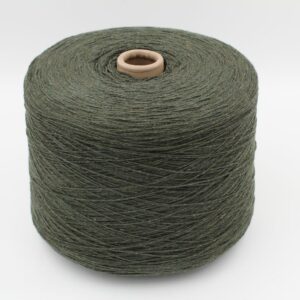 2/13 100% Recycled Cashmere color dark green cones 500 gr 1 × € 61,00
 - ×
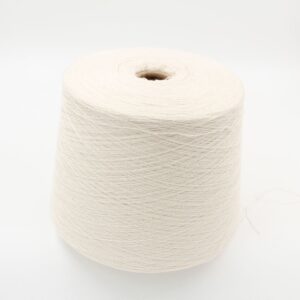
 Yarn for knitting machine 2/30 70% merino extrafine 30% cashmere color natural white cones 590 gr 1 × € 35,99
Subtotal: € 96,99 (incl. VAT)
2/13 100% Recycled Cashmere color dark green cones 500 gr 1 × € 61,00Yarn for knitting machine 2/30 70% merino extrafine 30% cashmere color natural white cones 590 gr 1 × € 35,99Subtotal: € 96,99 (incl. VAT)
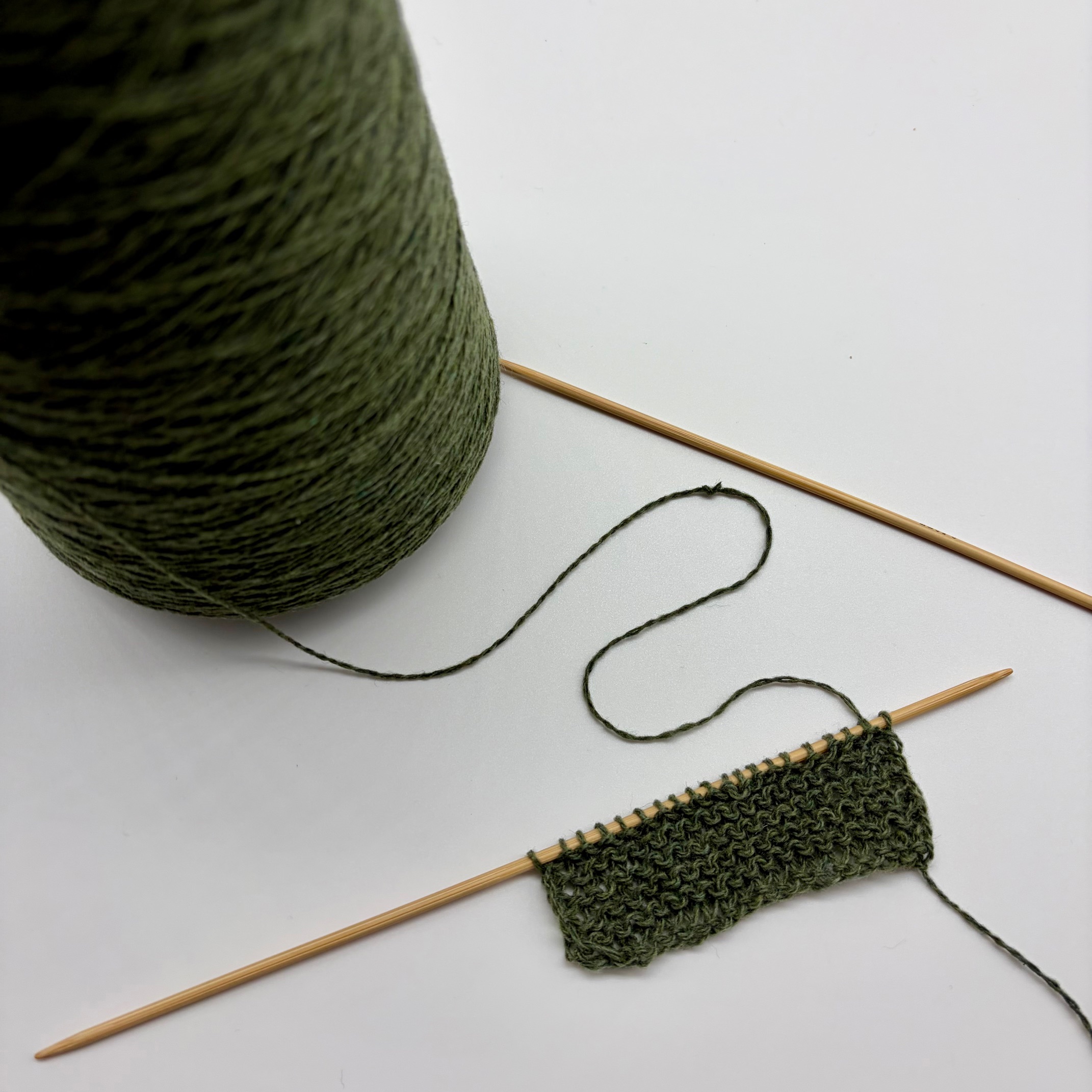
You’ve bought a cone of fine yarn—cashmere, eco-cashmere, or a cashmere blend—and you’re knitting a beautiful sweater.
At some point, right in the middle of your project… you find a knot.
Yes, it can happen; it’s normal in the production process for yarn to break. But what do you do?
Exactly what you would do when knitting with balls of yarn: like when one ball of yarn runs out and you have to start with another.
These little knots, called weaver’s knots, are considered safe by many people. However, having taught knitting for over 20 years, I don’t consider them reliable. Neither the ones on the cones nor the ones in the balls of yarn.
And that’s why I always give this advice to my students:
👉 Take scissors and cut the yarn, eliminating the knot.
Yes, I know: the yarn will split in two.
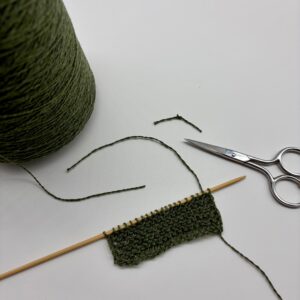 Why is it better to eliminate the knot?
There are two reasons:
The knot is difficult to manage. Being very small, it could remain on the right side of the work, even if you try to move it to the wrong side.
The knot could open over time, perhaps after the garment is finished and worn. The result? A hole that tends to widen, as the stitches begin to unravel.
Once the knot is removed, simply proceed as you normally do when changing thread.
Some helpful tips for changing thread
If your work is linear, always change the thread at the edge, never in the middle.
I know, it can be tedious. Maybe you’re halfway through the row—or worse, almost at the end—and you have to unravel to get back to the edge. But it’s worth it.
Changing the thread at the edge keeps your work cleaner, and it’s much easier to hide the ends, especially on the edges that will be sewn.
When should you change the thread inside the stitch?
There are two main situations:
When working on accessories like scarves, headbands, or other pieces without finished edges (for example, crochet). This keeps the edges clean.
If you plan on crocheting, it’s best to change the yarn at the edge and hide the ends in the finishing.
When working in the round, with circular needles. In this case, there are no edges. However, be careful to position the yarn change in the least visible spot, such as on the side, avoiding the center of the front or back.
There are several ways to change the yarn.
Happy threading, and remember: the little details make all the difference!
per Hircus Filati

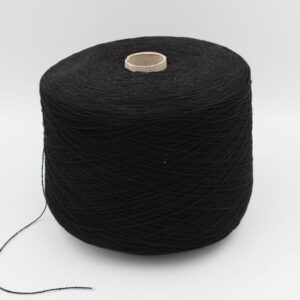 ECOMANUEL 2/14 100% Cashmere color black cones 500 gr Original price was: € 91,50.€ 73,20Current price is: € 73,20.
Previous lowest price was € 45,75.
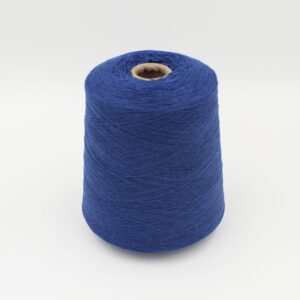 Yarn 45% merino 55% polyester nm 2/48 color peacock cone 690 gr Original price was: € 42,09.€ 21,05Current price is: € 21,05.
Previous lowest price was € 21,05.
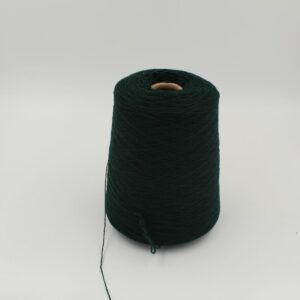 yarn merino extrafine 70% cashmere 30% nm. 2/15 color green cones 500 gr Original price was: € 54,90.€ 30,50Current price is: € 30,50.
Previous lowest price was € 30,50.
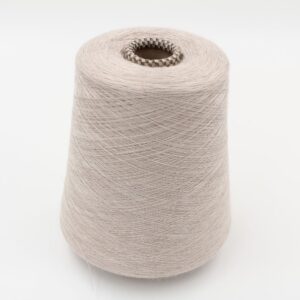 JAIPUR 70% cashmere 30% silk nm 2/56 combed color beige cones gr 480 Original price was: € 81,98.€ 58,56Current price is: € 58,56.
Previous lowest price was € 58,56.
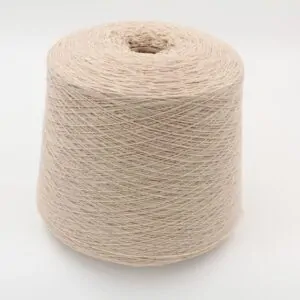 100% Cashmere yarn nm 2/14 color beige cones 530 gr Original price was: € 84,06.€ 64,66Current price is: € 64,66.
Previous lowest price was € 62,22.