When choosing a yarn, the most common mistake is starting with the wrong question: “Do I like this yarn?”
The right question instead is: 👉 “Is this yarn suitable for what I want to make?”
A good project is always the result of a balance between final use, garment structure, and yarn characteristics. Let’s see how to make the right choice, step by step.
1️⃣ Start from the Project, Not from the Yarn
Before looking at Nm, fiber content, or color, ask yourself:
Is it an everyday garment or a special piece?
Does it need to be warm, light, breathable, or durable?
Should it have a soft drape or hold its shape?
Is it an accessory or a structured garment?
🔑 The same yarn can be perfect for a scarf—and completely wrong for a sweater.
2️⃣ Define the Final Use of the Garment
Practical examples
Scarf / Shawl
soft hand feel
volume
elasticity
even lightly twisted yarns work well
Sweater
balance between softness and strength
durability over time
stable and regular yarn
Hat
elasticity
shape memory
yarn that does not stretch out
Elegant garment
fineness
clean surface
combed or well-twisted yarn
3️⃣ Choose the Right Fiber (Before Looking at Nm)
The fiber matters more than the Nm number.
Cashmere
warm
lightweight
extremely soft
ideal for garments worn directly on the skin
Wool
durable
elastic
perfect for structured knitwear
Recycled yarns
bulkier
less regular
ideal for casual, comfortable garments
Cotton
low elasticity
cool and breathable
great for summer garments, less suitable for structured pieces
👉 Same Nm, different fiber = completely different result.
4️⃣ Evaluate Yarn Thickness Based on the Desired Result
Yarn count (Nm) is important, but it must be read in relation to the project.
Fine yarns (high Nm)
lightweight garments
elegant knitwear
clean surfaces
Medium yarns
everyday wear
versatility
good balance between weight and warmth
Thick yarns (low Nm)
warm garments
rustic look
visible stitches
⚠️ A yarn that is too thick can make a garment stiff. ⚠️ A yarn that is too fine can make it weak or lifeless.
5️⃣ Consider the Yarn Structure
Thickness is not the only factor.
Also consider:
twist (high twist = more compact, low twist = softer)
number of plies (plied yarns are more stable)
carded or combed
regularity
👉 A stable yarn is essential for:
sweaters
long-lasting garments
machine knitting
6️⃣ Think About the Knitting Method (Hand or Machine)
The same yarn behaves differently depending on how it is worked.
Hand knitting
elasticity is important
hand feel matters a lot
Machine knitting
regularity is crucial
tension must be controlled
yarn count must match the machine gauge
A yarn that looks perfect on paper can become difficult to manage if used the wrong way.
7️⃣ Always Make a Swatch
This is the most underestimated step—and the most important one.
A swatch allows you to:
see the real outcome
evaluate the hand feel after washing
check stability and drape
avoid irreversible mistakes
👉 A yarn only truly reveals itself once it has been worked.
There is no perfect yarn in absolute terms. There is only the right yarn for that specific project.
Learning to start from the final result means:
less waste
fewer mistakes
better garments
greater satisfaction
Choosing a yarn is not about numbers alone, but about consistency between project, material, and technique.
When you start from the project:
Nm becomes a tool
fiber becomes a conscious choice
the final result is never accidental
Visit our Ecommerce!
Visit our ecommerce and discover our high quality yarns from the best Italian spinning mills, at the best online price!
 yarn 2/60 100% Cashmere color dark green cones 610 gr 1 × € 74,42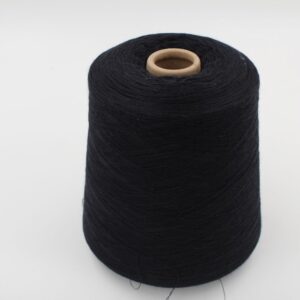
 yarn 2/60 100% Cashmere color night blue cones 400 gr 1 × € 48,80