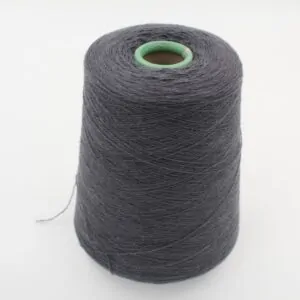
 Yarn 2/28 100% Cashmere color dark grey cones 500 gr
 Subtotal: € 73,20 (incl. VAT)
What Yarn Count (Nm) Means and How Yarn Thickness Is Determined
When talking about yarns, one of the most common questions is:
“How thick is this yarn?”
In the textile world, however, thickness is not measured the same way as a rope or an electric wire.
Instead, a system called yarn count is used, and one of the most common in Europe is Nm.
Let’s explain what it is, how it works, and why a higher number actually means a thinner yarn.
What Is Yarn Count?
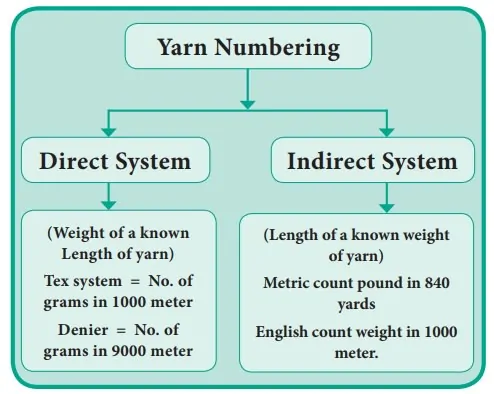
The yarn count is a numerical value used to indirectly measure yarn thickness by relating length to weight.
In simple terms:
yarn thickness is not measured by diameter
but by how much length is contained in a given weight
This method is far more accurate, especially for fine fibers such as wool, cashmere, silk, or cotton.
What Does Nm Mean?
Nm stands for Metric Number.
👉 It indicates how many meters of yarn weigh 1 gram.
Practical examples
Nm 1 → 1 meter weighs 1 gram
Nm 2 → 2 meters weigh 1 gram
Nm 10 → 10 meters weigh 1 gram
Nm 28 → 28 meters weigh 1 gram
🔑 The higher the Nm number, the finer the yarn.
🔑 The lower the Nm number, the thicker the yarn.
Why Isn’t Yarn Thickness Measured with a Ruler?
Because:
yarns are never perfectly cylindrical
softness, twist, and fiber type affect visual perception
two yarns may look similar but behave very differently
The Nm system allows you to:
objectively compare different yarns
predict fabric weight and yield
choose the right needles or knitting machines
What Do Nm 2/28, Nm 2/15, etc. Mean?
This notation includes another important detail.
Nm 2/28 means:
28 Nm = count of the single yarn
2 plies = two strands twisted together
👉 The final yarn is thicker than a single 28, but stronger and more even.
Nm 2/28 → very fine yarn (gauge 12–14)
Nm 2/15 → medium yarn (gauge 7–8)
Nm 2/7 → thick yarn (gauge 5–6)
Imagine roads:
a small country road → thick yarn (low Nm)
a main road → medium yarn
a very narrow highway → very fine yarn (high Nm)
Now imagine weighing 1 gram of road:
you travel a short distance on the country road
you travel a very long distance on the narrow highway
👉 This is exactly how Nm works.
Why Yarn Count Matters
Knowing the yarn count helps you:
choose the right needles or machine gauge
calculate accurate consumption
avoid production mistakes
understand whether a yarn is suitable for:
scarves
fine knitwear
heavy winter garments
lightweight or compact fabrics
Nm is not a mysterious code, but a smart and precise way to describe yarn fineness.
👉 Higher number = finer yarn
👉 Lower number = thicker yarn
Once this concept is clear, reading yarn technical sheets becomes easy—even for non-professionals.
Follow Us on Youtube

Latest products
-
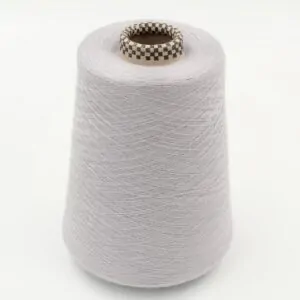
 JAIPUR 70% cashmere 30% silk nm 2/56 combed color pearl grey cones 500gr Original price was: € 70,00.€ 55,00Current price is: € 55,00.
Previous lowest price was € 55,00.
-
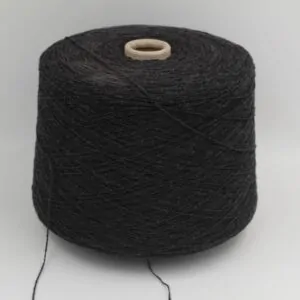 ALTER-ECO yarn 97% cashmere 3% wool merino nm 2/12 color anthracite cones 400gr Original price was: € 56,00.€ 40,00Current price is: € 40,00.
Previous lowest price was € 40,00.
-
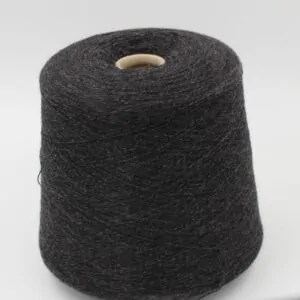 ALTER-ECO yarn 97% cashmere 3% wool merino nm 2/12 color dark grey cones 460gr Original price was: € 64,40.€ 46,00Current price is: € 46,00.
Previous lowest price was € 52,00.
-
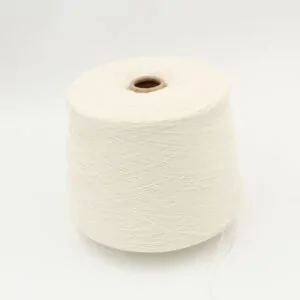 Yarn 60% Cashmere 40% Polyamide nm 2/28 color white cones 500gr Original price was: € 60,00.€ 40,00Current price is: € 40,00.
Previous lowest price was € 40,00.
-
 100% Cashmere yarn nm 2/48 combed color natural white cone 400 gr Original price was: € 56,00.€ 48,00Current price is: € 48,00.
Previous lowest price was € 48,00.