Cashmere goats and the possibilities of breeding them in Italy

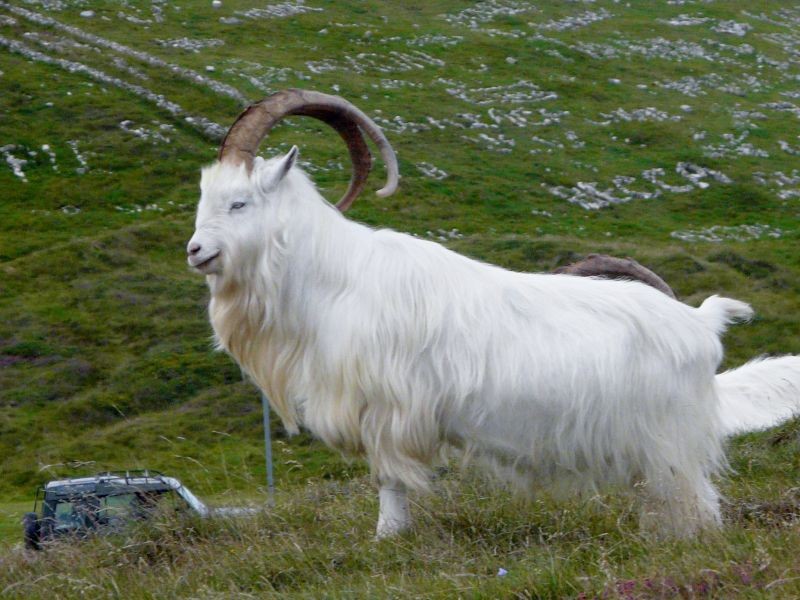
The Cashmere Goat (or
Hircus), renowned for the precious fiber it produces, possesses many characteristics that are perfectly suited, for example, to the Aosta Valley region, which is quite mountainous and experiences a high temperature range between the rigid minimum temperatures at night and the milder, sometimes even warm, temperatures during the central hours of the day. We know that the goats living in their original homeland, the Indian province of Kashmir, produce a truly small quantity of precious wool, and such production would not be sufficient to meet global demand.
For this reason, Cashmere wool production is evaluated and then carried out in other parts of the world. Let's see how this is possible: Selected to live in the extreme environmental and climatic variability of mountain areas, this animal can be bred anywhere, especially where, due to land degradation or lack of accessibility, the use of agricultural machinery or large investments in shelters or sophisticated equipment are not feasible.
The variability of temperatures stimulates the production of "duvet," which we already discussed in the previous article, and thus elevates the quality of the "cashmere" wool produced. The Cashmere goat lives outdoors all year round, regardless of the season, and can thrive even in the poorest and most inaccessible areas, in semi-rocky environments and on marginal land, feeding on weeds unusable by other animals, thus acting as a "natural weed killer," which is of fundamental importance in cleaning undergrowth, almost unconsciously performing a land reclamation action in its habitat, and consequently also an effective fire prevention action, with obvious benefits for the entire surrounding environment.
At the beginning of autumn, near Aosta, in Saint-Christophe, an informative meeting was held on "Spreading the practice of Cashmere Goat breeding in the Aosta Valley."
florencecashmereyarn.com


