

What does a yarn count (Nm) mean and how is its thickness determined?

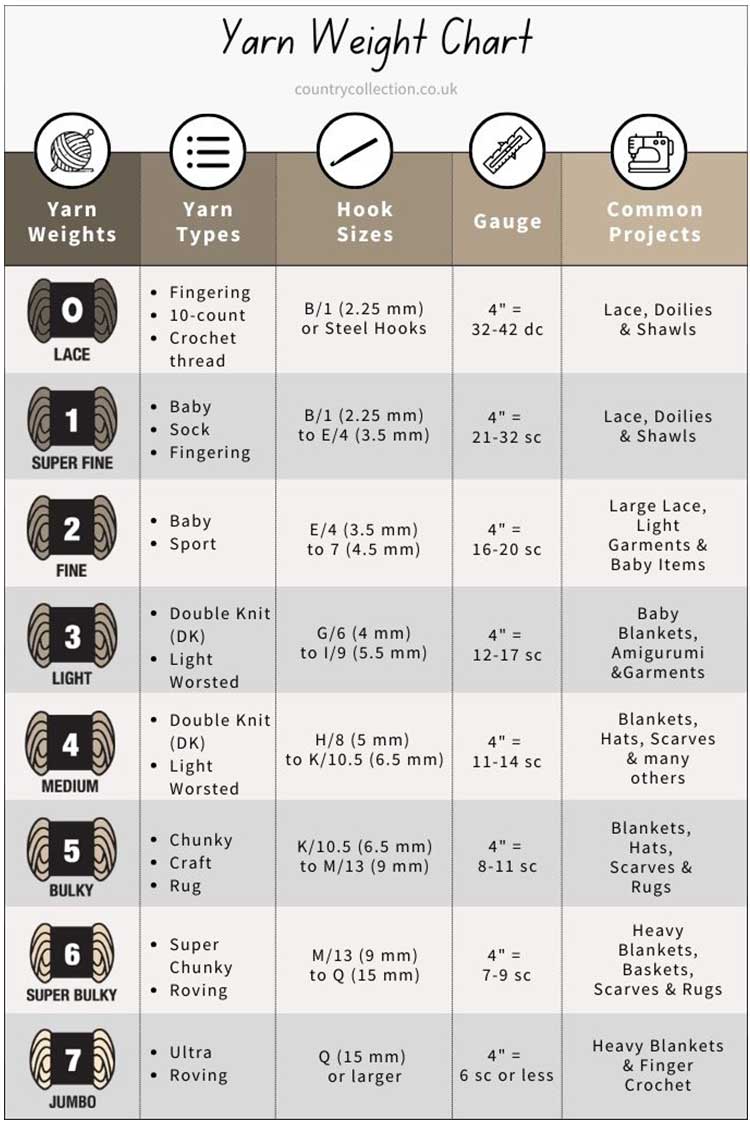 When it comes to yarn, one of the most common questions is:
"How thick is this yarn?"
In the textile world, however, thickness is not indicated like an electrical wire or a rope.
Instead, a system called yarn count is used, and one of the most common in Europe is Nm.
Let's look at what it is, how it works, and why a higher number indicates a thinner yarn (yes, it's the opposite of what many people think!).
What is yarn count
The count is a numerical value used to indirectly measure the thickness of the yarn, relating length and weight.
In simple terms:
-
it doesn't measure "how wide" the yarn is
-
but how much yarn length is contained in a certain weight
This method is much more precise and reliable, especially for fine yarns such as wool, cashmere, silk, or cotton.
What Nm means
Nm stands for Metric Number.
👉 It indicates how many meters of yarn there are in 1 gram of weight.
-
Nm 1 → 1 meter weighs 1 gram
-
Nm 2 → 2 meters weigh 1 gram
-
Nm 10 → 10 meters weigh 1 gram
-
Nm 28 → 28 meters weigh 1 gram
🔑 The higher the Nm number, the finer the yarn.
🔑 The lower the Nm number, the thicker the yarn.
Why isn't thickness measured "with a ruler"?
Because:
-
yarns are never perfectly cylindrical
-
softness, twist, and fiber change the visual perception
-
two yarns can look similar but have completely different yields
The Nm count, however, allows you to:
-
compare different yarns objectively
-
predict yield, consumption, and fabric gauge
-
choose the right machine or needles to work with
What Nm 2/28, Nm 2/15, etc. mean
Here's another important detail.
Nm 2/28 means:
-
28 Nm = single yarn count (very fine)
-
2 ply = two strands joined together (plied)
👉 The final result will be thicker than a single 28, but more regular and resistant.
Some common examples
-
Nm 2/28 → very fine yarn (knitwear gauge 12–14)
-
Nm 2/15 → medium (gauge 7–8)
-
Nm 2/7 → thick (gauge 5–6)
Imagine roads:
-
a country lane → thick yarn (low Nm)
-
a state road → medium yarn
-
a very thin single-lane highway → very fine yarn (high Nm)
Now imagine weighing 1 gram of road:
-
on the country lane, you cover little distance
-
on the very thin highway, you cover many kilometers
👉 This is exactly the concept of Nm.
Why yarn count is essential for knitters or machine knitters
Knowing the yarn count helps to:
-
choose needles, hooks, or machine gauge
-
calculate actual consumption
-
avoid production errors
-
understand if a yarn is suitable for:
-
scarves
-
fine knitwear
-
heavy winter garments
-
light or compact fabrics
-
The Nm is not a mysterious code, but a smart and precise way to indicate how fine a yarn is.
👉 High number = fine yarn
👉 Low number = thick yarn
Once this principle is understood, reading yarn specification sheets becomes simple and logical, even for non-experts.


