

Clothes moths: what they are, what they attack, and how to defend against them

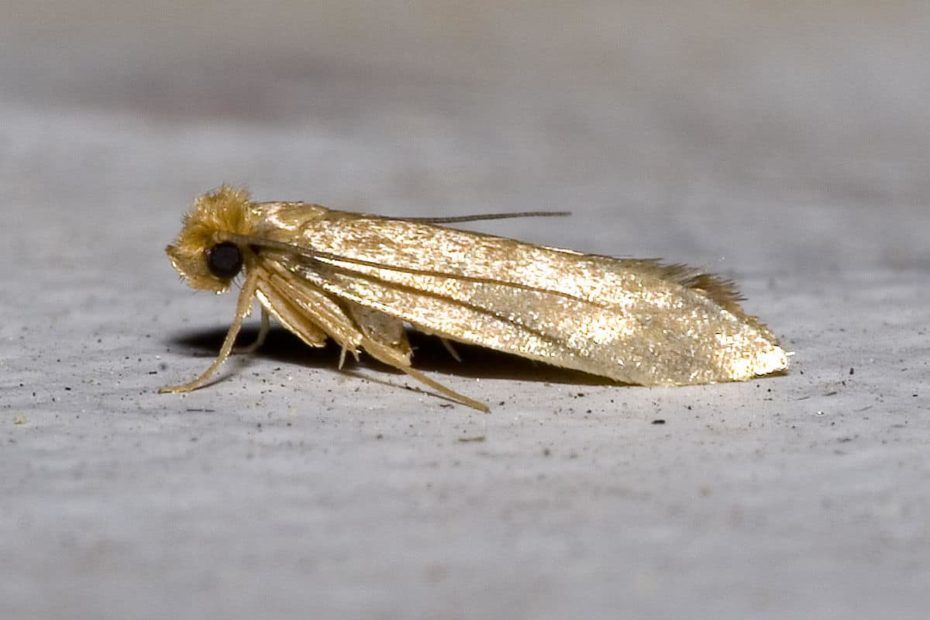 Anyone who loves wool and works with natural yarns will sooner or later encounter an invisible but formidable enemy: moths. These small, seemingly harmless insects can cause even serious damage to sweaters, scarves, yarn balls, and precious garments. In this article, we discover what they attack, how they act, and above all, how to protect your yarns and wool garments.
Moths do not indiscriminately attack all fabrics. They are attracted almost exclusively to animal fibers, namely:
-
Wool (sheep or goat)
-
Cashmere
-
Alpaca
-
Camel
-
Mohair
-
Raw silk
Vegetable fibers (cotton, linen, hemp) and synthetic fibers (acrylic, polyester, nylon) are not attacked, but beware: if mixed with wool or dirty, they can still become a refuge for larvae.
❗ Warning: moths not only eat finished garments, but also balls of natural yarn, especially if poorly stored or in poorly ventilated environments.
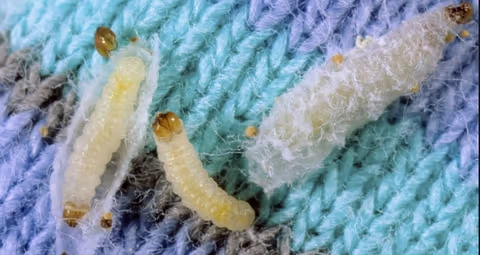 It is the larvae that cause damage. Here's what happens:
-
The adult moth (small straw-colored butterfly) lays its eggs on natural fabrics and yarns.
-
The eggs hatch, and voracious larvae emerge, feeding on keratin, a protein found in wool and animal hair.
-
The larvae burrow tunnels in the wool, creating holes, broken filaments, and sometimes irreversible damage.
-
Once grown, they become new adult moths, and the cycle begins again.
All of this happens silently, often in dark, warm, and humid environments: wardrobes, closed boxes, drawers, attics.
Prevention is the most effective remedy. Here are some good practices to protect wool and yarns:
✅ Cleaning before storing
-
Wash garments before storing them, even if they seem clean: sweat, skin, perfumes attract moths.
-
Yarn balls should also be stored dry and clean, never damp or exposed to dust.
✅ Smart storage
-
Use vacuum bags, airtight containers, or tightly closed cotton bags.
-
Insert bay leaves, lavender, cloves, cedar or other natural repellents.
-
Periodically air out wardrobes and boxes.
✅ Regular inspections
-
Occasionally check stored garments and yarns.
-
Expose yarns to the sun (larvae hate light).
🛡️ What to do if you have moths
If you find holes in sweaters or signs of larvae in yarn balls, act immediately:
🔹 Wash everything hot
If possible, wash garments at 60°C or take them to the dry cleaner. Larvae die with heat.
🔹 Clean wardrobes
Use a vacuum cleaner and white vinegar in corners, especially in drawers and wooden furniture.
🔹 Use natural or chemical remedies
You can use natural repellents (lavender or cedar essential oil) or specific moth products if the infestation is severe.
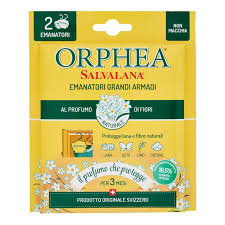 If you use natural yarns like those made of wool or cashmere, especially if they are precious or expensive, store them with care. Avoid leaving them open to the air for long periods, especially in spring/summer, and never store used yarns without washing or checking them. I use ORPHEA in drawers, wardrobes, and on shelves; they are excellent, fragrant, and work perfectly (read the instructions on the package carefully; you can find them in supermarkets or markets, and also online).
Wool moths are a serious problem, but manageable. With a little attention to cleaning, storage, and prevention, you can protect your favorite garments and yarn balls, and make them last for years.
Have you ever had problems with moths? Tell us in the comments or write to us for advice on how to treat your natural yarns.


