

What does "ply" mean?

 📌 What does "ply" mean?
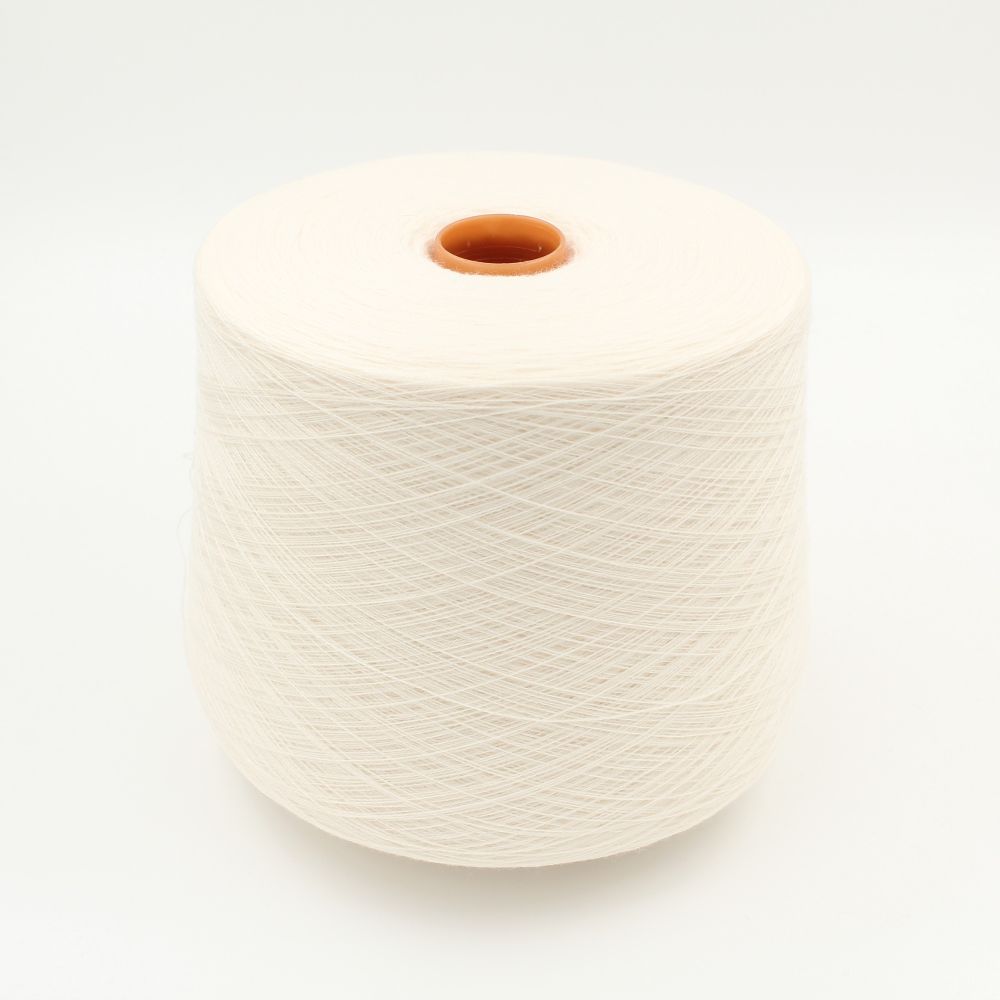
-
"Ply" = strand or cable. It's the number of individual threads twisted together to form a yarn.
-
So:
-
2 ply = 2 strands twisted together.
-
4 ply = 4 strands twisted together.
-
And so on.
-
📏 Does it imply yarn thickness?
Not always, but often it does.
-
Historically, in the English system, the number of plies was used as an indication of thickness:
-
1 ply → very thin (almost lace).
-
2 ply → fine.
-
4 ply → fingering or sport.
-
8 ply → DK.
-
10/12 ply → Worsted or Aran.
-
➡️ However, today with modern yarns, the number of plies doesn't always correspond to the thickness. For example:
-
A 2 ply can be thicker than a 4 ply if the two strands are very thick.
-
What matters is how the yarn is made, not just how many strands it has.
🧶 Technical and tactile differences
-
2 ply: rounder, often used for delicate work, has good stitch definition.
-
4 ply: more stable, often more durable, suitable for more structured knitting.
-
More plies → more durability, less pilling, but also more stiffness in some cases.
✅ In summary:
| Ply | Twisted strands | Typical characteristics | Equivalent (approximate) |
|---|---|---|---|
| 1 ply | 1 | Soft, delicate, lightly twisted | Lace |
| 2 ply | 2 | Light, flexible | Fingering |
| 4 ply | 4 | More compact and defined | Sport/DK |
| 8 ply | 8 | Robust, stable | DK/Worsted |


